
Cycling
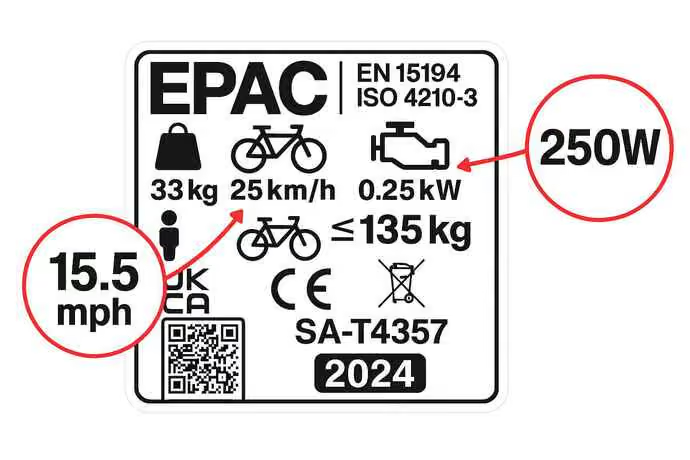
A 250W sticker alone doesn’t make your e‑bike legal. Find out how UK EAPC rules work, why fake labels fail, and what happens if your bike exceeds limits.
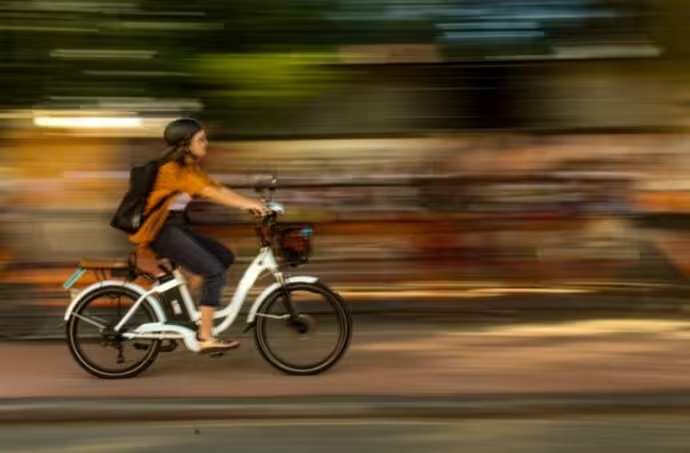
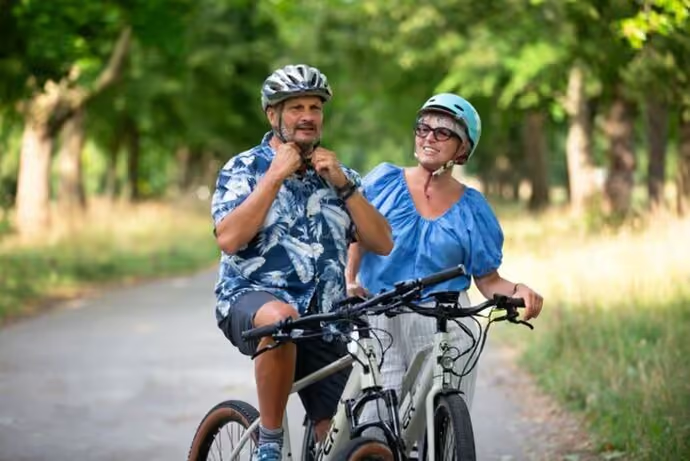
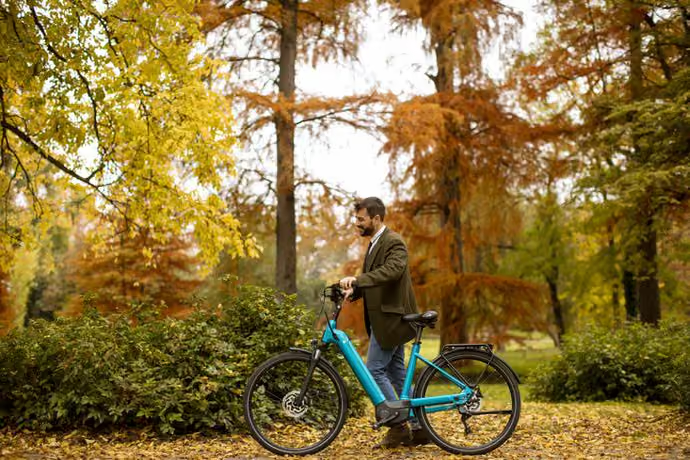
One of the best things about e-bikes is you can use them as freely as a normal bicycle: that means full access to cycle lanes, and no legal requirement for registration, a driving licence, vehicle excise duty, insurance or a helmet. However, to enjoy these benefits, the e-bike must comply with EAPC (electrically assisted pedal cycle) rules.
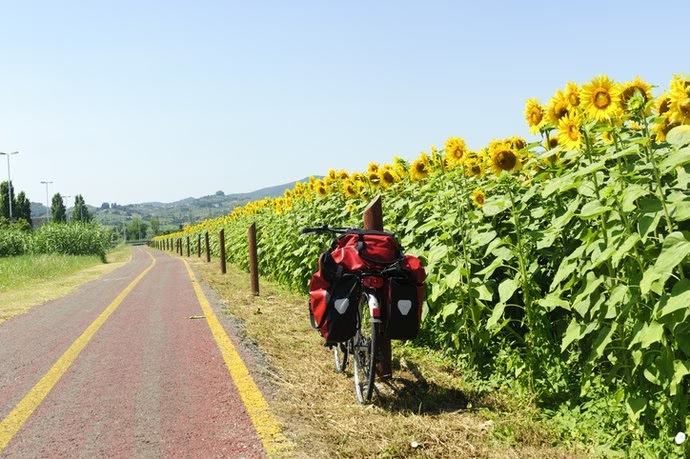
Cycle touring is cheaper, easier and less daunting than many people imagine. Here’s how to plan a cycling holiday in Europe, from choosing a route to packing light.

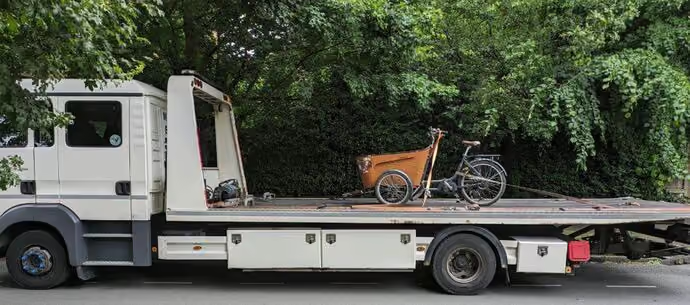
Cargo bikes make everyday trips easier, and more enjoyable. Here’s how the main styles differ, what each is best at, and which designs suit your budget.

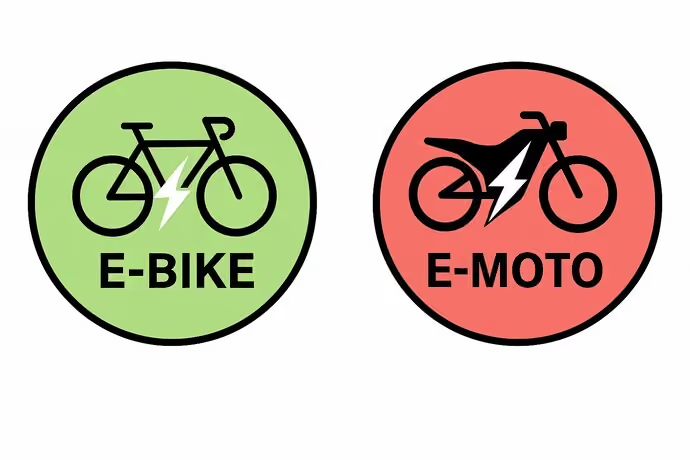
The Netherlands has long been cycling’s gold standard, but the rapid growth of e-bikes is creating a new problem: illegally modified machines travelling faster than the law allows. With fatbikes increasingly linked to crashes and antisocial riding, Dutch towns are starting to act. The bigger challenge, though, is that “e-bike” has become a catch-all label that blurs the line between bicycles and electric motorbikes.


.avif)