




How to lock your bike: grinder-resistant locks and Sheffield stand security
January 7, 2026
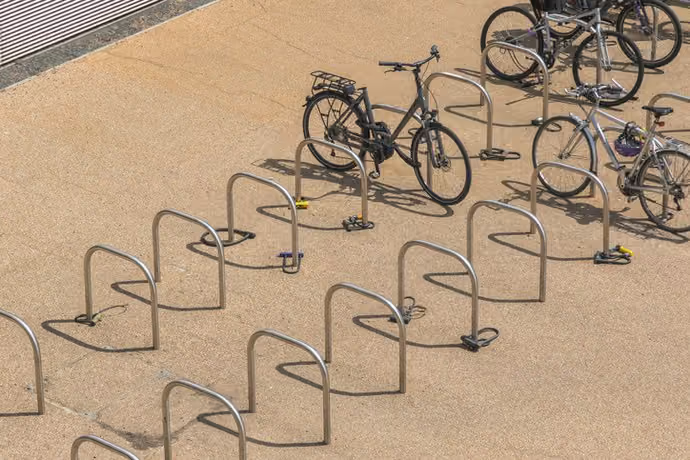
Cordless angle grinders haven’t made bike locks redundant, but they have dramatically changed how bikes are stolen.
Faced with these small, powerful and quiet cutting machines, bike lock manufacturers have upped their game by producing grinder-resistant designs. But while they might slow an attack, some thieves simply change tack and cut the stand or railings instead.
In turn, this shift in approach puts the strength of cycle stands themselves under the spotlight.
The ubiquitous Sheffield stand is considered a safe bet: solid steel, bolted down, good enough for most situations. But as thieves seek to avoid tougher locks, confidence in this stalwart of street design is being tested.
Sheffield stands: not all created equal
The Sheffield stand, the inverted U-shaped hoop familiar on high streets, looks tough. Most Sheffield stands are made from 48–50 mm diameter steel tubing with a 2–3 mm wall thickness. Exact specifications vary, but this range appears so consistently in manufacturers’ product sheets that it can be considered a de facto standard. In practice, construction standards vary. However, even at the better end of that range, stands can be cut easily by thieves.
In London, police have uncovered stands that have been cut through and patched with tape to hide the damage. The tactic is simple: the thief can return and quietly remove a section of the stand, stealing a bike without any need to deal with the lock.
Locks that fight back
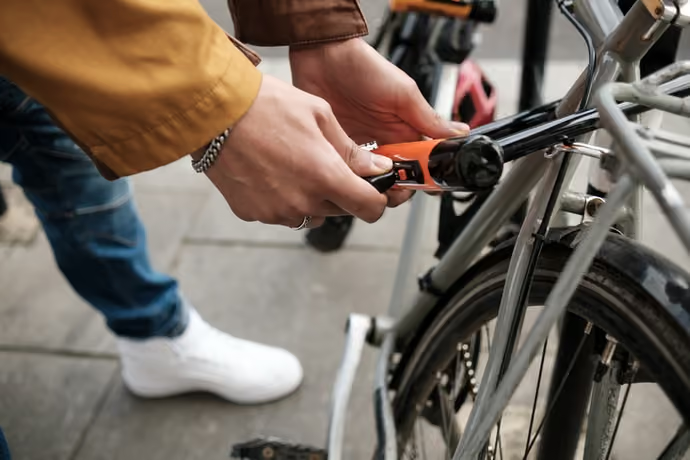
Manufacturers now sell locks that resist grinders. Litelok’s X1, for example, uses a ceramic coating that blunts discs; the burlier X3 will chew up even more blades before it yields. In independent tests, reviewers found these locks could withstand far longer than standard D-locks, though none proved impregnable.
“Angle grinder-resistant” does not mean “angle grinder-proof”. A thief with time, skill and a surplus of blades will get through. These locks slow the attack, increase the noise, and raise the chance of being spotted. In practice, this is often enough for a thief to walk away. But when the lock holds, the focus shifts. Whatever the bike is locked to becomes the target.
Smarter ways to lock up
Even if Sheffield stands and other approved anchor points (often termed ‘immovable objects’ in insurance wording) aren’t always as solid as they appear, good locking technique still matters.
Securing only through a wheel, leaving too much slack inside a D-lock, or fixing to a flimsy railing are common locking mistakes that make a thief’s life easier.
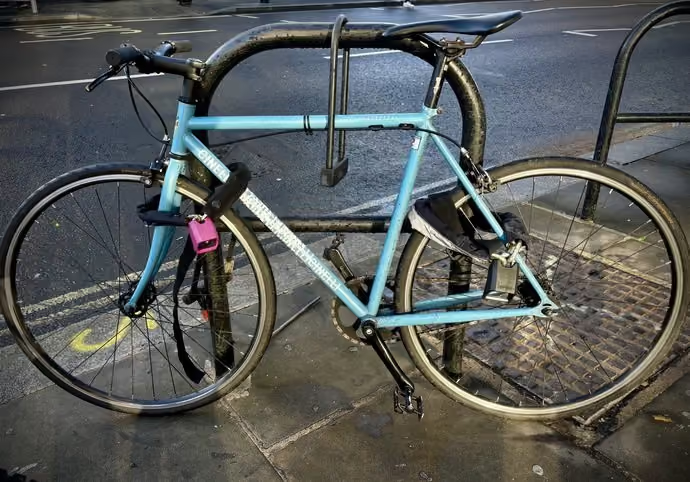
A front wheel can be removed in seconds, so the lock must pass through the bike frame’s main triangle. A snug fit also matters – less space around the lock means less room for tools or gaining leverage.
The anchor point is as important as the lock itself. Railings, signposts or racks with tape around them should ring alarm bells: these may have been tampered with.
Finally, thieves prefer working unseen. A bike locked in the glare of a streetlight or beside a steady flow of passers-by is no guarantee it won’t be pinched, but it will be less attractive than one tucked away.
Independent testing helps explain why some bicycle locks buy you time – and why those differences matter in the real world.
Sold Secure puts bike locks through tough, practical tests designed to mirror the techniques used by thieves. Based on how well a lock holds up, it’s given a Bronze, Silver or Gold rating. Those found to offer exceptional resistance to attack earn a Diamond rating, but even these locks have limits. It’s the reason cycle insurance is such a useful backstop.
<div style="padding:56.25% 0 0 0;position:relative;"><iframe src="https://player.vimeo.com/video/1043437275?badge=0&autopause=0&player_id=0&app_id=58479" frameborder="0" allow="autoplay; fullscreen; picture-in-picture; clipboard-write" style="position:absolute;top:0;left:0;width:100%;height:100%;" title="How Sold Secure rates bike locks"></iframe></div><script src="https://player.vimeo.com/api/player.js"></script>
There’s no silver bullet when it comes to bike security. The safest approach is to try and tip the odds in your favour: use a good Sold Secure-rated lock, lock your bike properly, and back it all up with a good cycle insurance policy. Together, these measures make theft less likely and less painful if it does happen.
{{cta-cycling}}
FAQs: bike locks and theft
Can an angle grinder cut any bike lock?
Yes. An angle grinder in the right hands will eventually defeat any lock on the market, but the crucial factor is the time it takes: cutting through grinder-resistant locks takes several minutes, requires multiple discs and as a result creates more noise. For a thief working on the street, those extra minutes matter: the longer and louder the attack, the greater the risk of being challenged or caught.
Are Sheffield stands safe?
Yes, but they are not created equal. The most secure are made from thick-walled steel tubes set deep in concrete. Others are fabricated from a lighter gauge, or bolted onto paving slabs, making them easier to cut through or lever up. Avoid stands that show signs of tampering or loose fixings.
What is the best way to lock a bike in public?
The lock must pass through the bike’s main frame and a solid anchor point. A snug fit leaves less room for levering, while using two locks forces a thief to spend more time and make more noise. Choosing the right location matters: a well-lit, busy street or station concourse offers far more protection than a dark corner.
Does cycle insurance cover bike theft in the UK?
Yes, this is the main reason people buy it, but there are many other reasons why a specialist cycle insurance cover is worth considering.
The ethical choice
The ETA was established in 1990 as an ethical provider of green, reliable travel services. Over 35 years on, we continue to offer cycle insurance , breakdown cover and mobility scooter insurance while putting concern for the environment at the heart of all we do.
The Good Shopping Guide judges us to be the UK's most ethical provider.
Information correct at time of publication.
Leave us a comment
